
 English

Introduction
Purpose of the operation
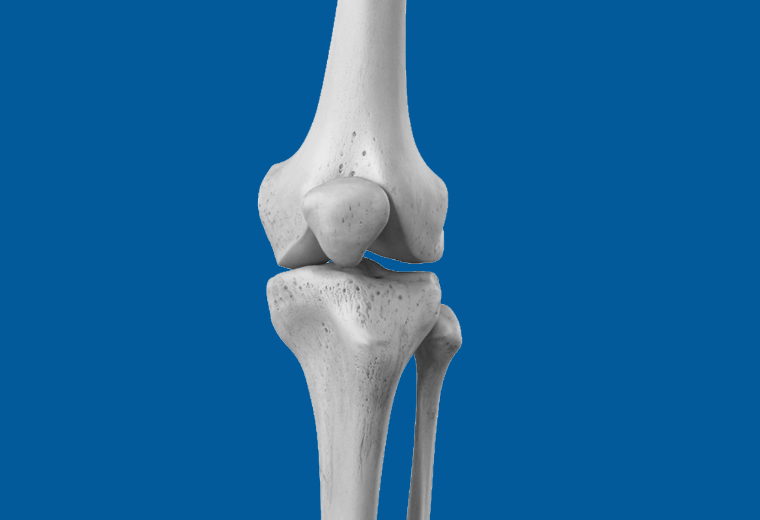
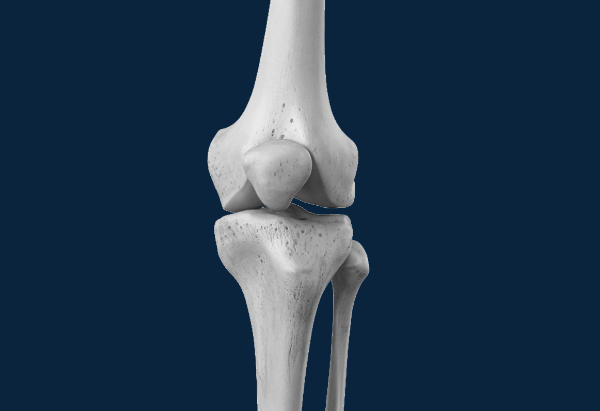
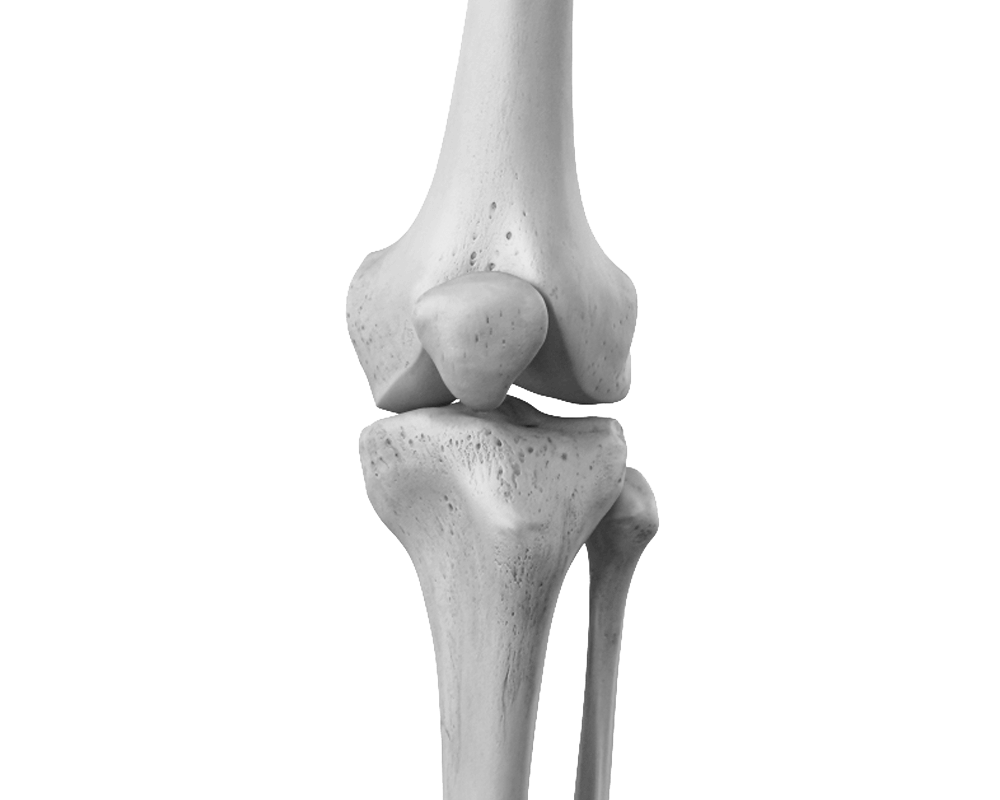
This procedure involves modifying the tibial axis to correct the mechanical axis of the lower limb and thus achieve a better distribution of load across the entire knee. The new tibial axis will be perpendicular to the joint line.
Indications
Young (under 50) and active patients with varus tibial deformity. Given the integrity of other compartments, this procedure can be offered if bone conditions permit and if the osteoarthritis is not too advanced.
Contraindications
Osteoarthritis without axial deformity (e.g., due to osteonecrosis), an inflammatory disease causing the osteoarthritis, a flexion deficit, or a flexion contracture greater than 10°, lateral ligament insufficiency, a history of medial meniscectomy, or a varus deformity greater than 10° (insufficient bone for osteotomy). Smoking is also a contraindication, as it impairs bone healing.
Preparation
Orthopedic assessment: The examination by the orthopedic surgeon and the X-ray assessment of the knee will determine the osteotomy. The treatment is also tailored to the functional demands and the patient's age.
Anesthetic assessment: The consultation with the anesthesiologist aims to prevent operative risks and to optimize the patient's condition for their operation.
Surgery
1. Femoral bone, 2. Femoral cartilage, 3. Condylar prosthetic piece, 4. Polyethylene interface, 5. Tibial baseplate, 6. Tibial bone.
Description
This procedure is generally performed as an opening wedge osteotomy: the tibia is opened on its inner side, and a bone graft taken from the ipsilateral iliac crest is inserted, its thickness determined based on the calculation of the desired correction. This inner opening is then stabilized with a plate. This corrects a varus knee (knock-knees), by straightening the tibia.
Thus the load borne by the knee will be distributed over the entire knee instead of being concentrated on the medial tibial plateau.
This correction helps to limit the progression of osteoarthritis due to a defect in the axis of the lower limb.
Suites
Postoperative rehabilitation consists of a gradual recovery of knee mobility combined with progressive weight-bearing over 6 weeks, starting at 20 kg. After a radiological assessment at 6 weeks, full weight-bearing is generally permitted, and crutches can be discontinued once the limp has resolved (between 6 and 8 weeks postoperatively).
Frequently Asked Questions
What can we expect from this operation?
This procedure aims to halt the progression of osteoarthritis. Existing cartilage damage will not be corrected. Nevertheless, it is a common and reliable operation that typically yields good functional results, stable over time, and significantly improves quality of life. The beneficial effect of a valgus tibial osteotomy lasts on average about ten years, thus postponing the need for a prosthesis for the same period.
Long-term results
Survival rates of 75-97% at 10 years have been reported. Such an osteotomy can be effective for 15 years.
Paul M Sutton BMC Medicine 2013, 11:14
Tang WC, Henderson IJ Knee 2005, 12:410-413.
Omori GJ Orthop Sci 2008, 13:39-45.
Akizuki SJ Bone Joint Surg Br 2008, 90:592-596.
How long does the operation take?
Approximately 1 hour 30 minutes to 2 hours
What is the plate made of?
It is a titanium alloy.
Will I set off the alarms when going through airports?
No.
Do I need to take antibiotics when I go to the dentist?
Antibiotic prophylaxis may sometimes be recommended during extensive dental cleanings or in cases of dental abscesses. For other treatments, the need for antibiotic prophylaxis should be assessed on a case-by-case basis.
When will I be able to start playing sports again?
Resuming sports activities should be done gradually. Activities such as Nordic walking, cross-country skiing, or brisk walking can be resumed as early as the sixth week; skiing, tennis, or golf can be resumed after three months. However, certain high-impact activities like running can accelerate cartilage degradation and compromise long-term results.
When can I start driving?
Driving is permitted in an automatic car from the 10th day after surgery if the left knee was operated on. For a manual car, a waiting period of 3 weeks is required for the left knee. For the right knee, it is at the end of the 6th week. However, driving is only permitted once there is excellent control of the lower limb, allowing the driver to brake suddenly if necessary without hesitation.
How long should I keep the rods?
You should continue using crutches until the bone has healed, which takes an average of 4 to 8 weeks. During this period, you are allowed to partially bear weight on the operated limb.
How long does an osteotomy take?
It is possible to expect to keep a pain-free knee for 10 to 15 years.
When will I be able to take a shower?
Generally from the 3rd postoperative day.
Contact one of our specialists
on the subject
{loadmodule mod_minitekwall,Display knee doctors disease sheet}

 Français
  English (UK)