
 English

Original bipedalism: between fossils, footprints, and aquatic hypotheses
Call for a consultation
Interview between Dr. Jacques Vallotton and Yvette Deloison, specialist in early bipedalism. Through the analysis of fossils and footprints, they explore the theory of primitive bipedalism, the evolution of the human foot, and the implications of an aquatic origin for humans.

- Dr. Jacques Vallotton; Dr. Yvette Deloison
- Introduction to original bipedalism
- Foot study
- Comparison of fossil footprints
- Aquatic origin of man
- Anatomical evolution
- Bipedalism could be primitive
- Fossilized footprints reveal locomotion
- The origin of humankind may be aquatic.

Original bipedalism: key concepts and issues
This interpretation is based on comparative anatomy and the study of fossil footprints suggesting centered locomotion with close steps, already compatible with bipedal stability.
Fossil footprints and functional reading
Footprints provide information about the direction of travel, toe orientation, and walking width. In humans, the first radius is aligned, and the stride approaches the midline.
These markers, observed on very ancient traces, invite us to reconsider the chronology of the emergence of bipedalism.
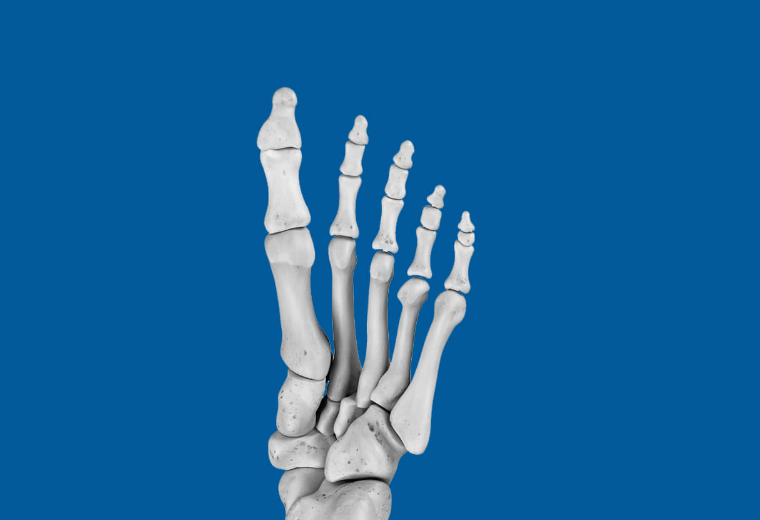
The foot: architecture of a strict biped
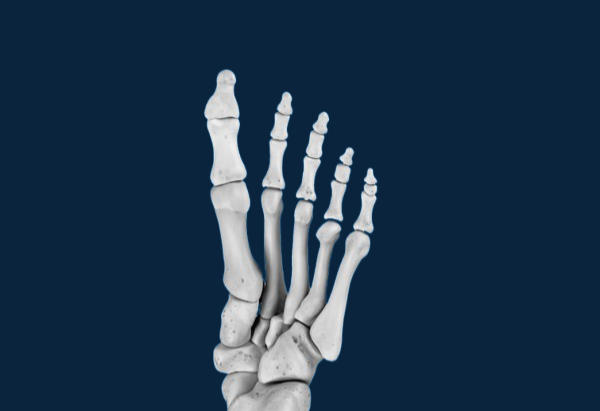
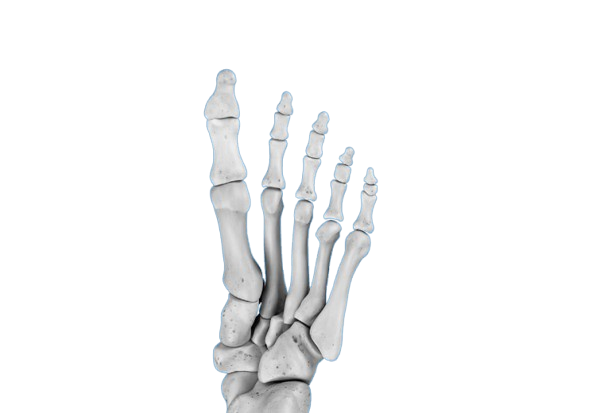
The human foot is characterized by a first metatarsal in contact with the second, a weight-bearing heel, and an effective plantar arch.
This architecture transforms ground energy into propulsion, with precise control of support in all three planes of space. It differs from a prehensile foot, adapted to arboreal life and the spacing of the big toe.
Proto-hominoid environments and specializations
From a primitive form, environments select for divergent specializations. A shallow amphibious environment, rich in support, promotes stable vertical movement and the free use of the upper limbs.
This hypothesis sheds light on the consistency of human traits such as breath control and swimming efficiency.
Australopithecines: another lineage
Some fossils show evidence of a foot with a bulbous heel and a less adducted first ray, signs of incomplete bipedalism and a strong arboreal component.
These characteristics support the idea of parallel evolutionary trajectories, rather than a simple linear succession towards modern man.
Current clinical implications
Understanding the biomechanical logic of the bipedal foot sheds light on the assessment of pain and weight-bearing disorders.
Gait analysis, alignment of the rays and control of the arch guide treatment and prevention strategies in both athletic and sedentary patients.
Video type
Full medical interview
Anatomy
Foot; Locomotor system
Surgery:
Pathology:
Thematic:
Human evolution

Need medical advice?
The doctors at the Ouchy Orthopedic Center are at your service.
1006 Lausanne
+41 21 510 33 48

 Français
  English (UK)