
 English

- Welcome
- Is partial knee replacement still a relevant option?
Is partial knee replacement still a relevant option?
- Dr Jacques Vallotton
- Knee osteoarthritis
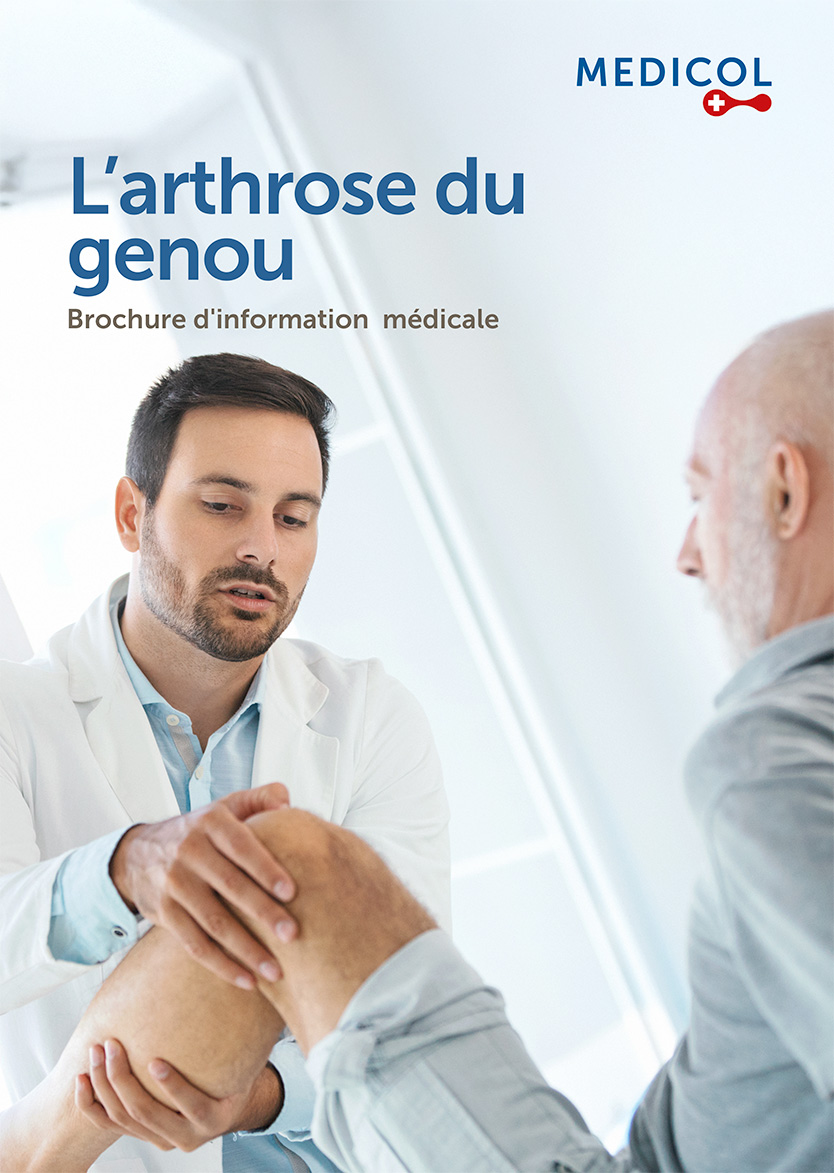
Dr. Jacques Vallotton – Lunch Meeting, February 2026
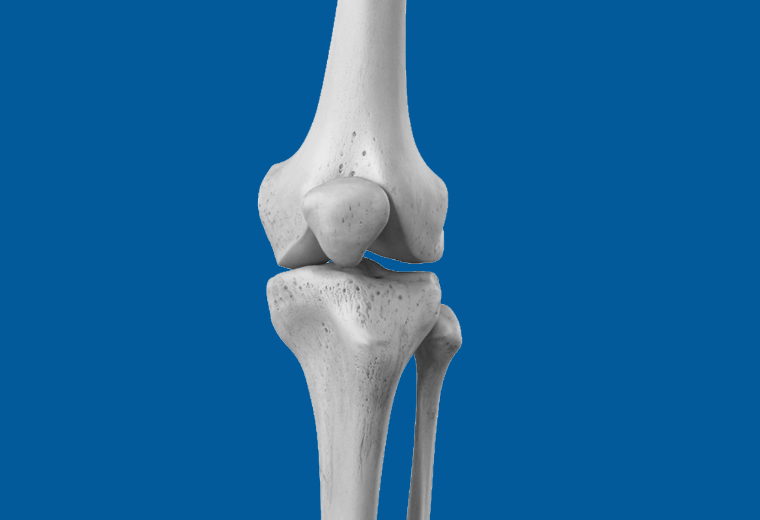
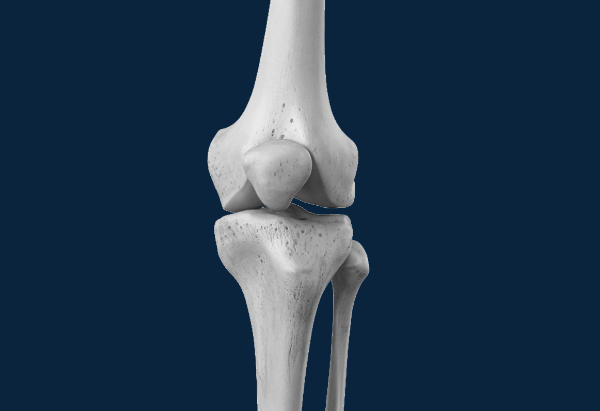
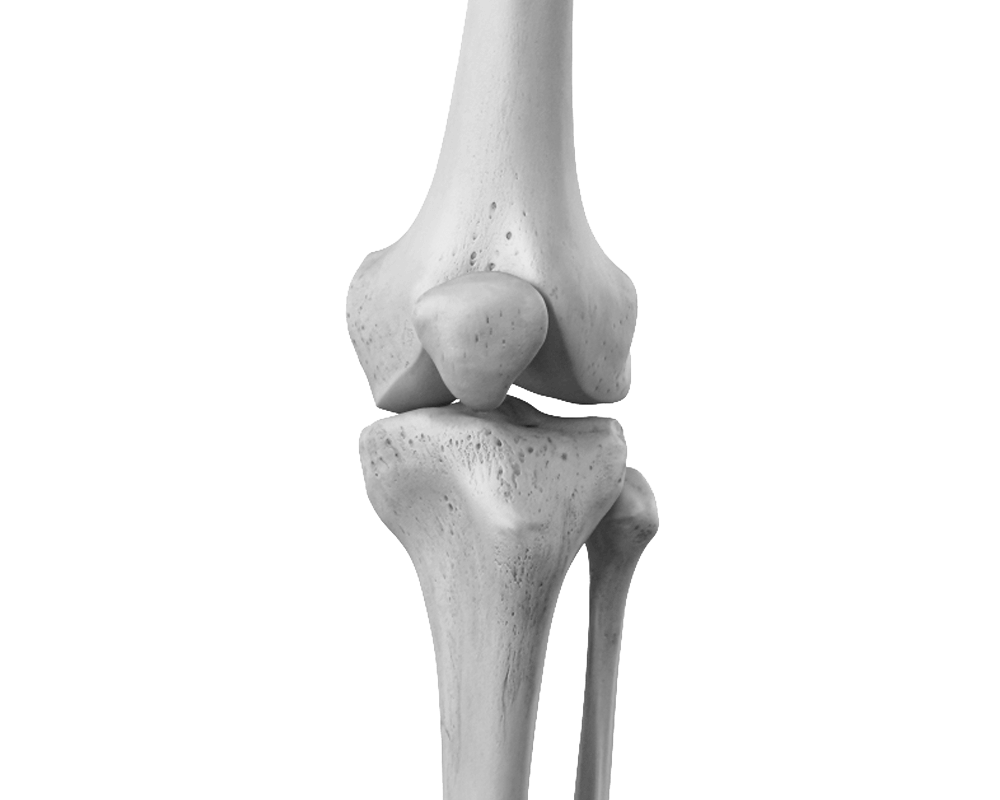
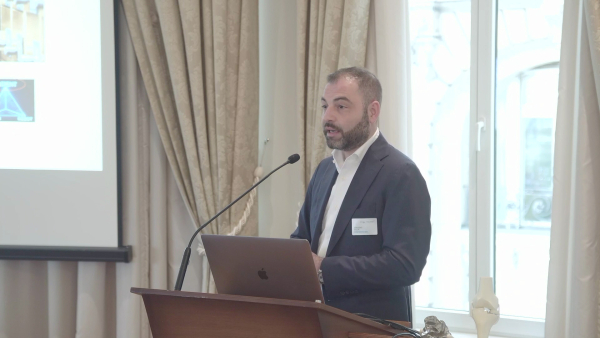
When osteoarthritis affects only one part of the knee, is it really necessary to replace the entire joint? This is the question addressed by Dr. Jacques Vallotton at the Medicol Lunch Meeting on February 12, 2026, which focused on knee replacement. His answer is clear: in many cases, a partial replacement is sufficient—and it is often the best option.
The principle is easy to understand. Imagine going to the dentist for a single decayed tooth: they wouldn't pull all your teeth as a precaution. It's exactly the same logic. When wear and tear is limited to a single compartment of the knee—inner or outer—a partial knee replacement allows treatment of only the damaged area, preserving the ligaments and all the healthy structures of the joint. The result: the knee retains a more natural movement and the sensations of your original joint.
The figures are reassuring. More than 90% of these % implants are still functioning perfectly after ten years, a survival rate comparable to that of total knee replacements. But the advantage is most noticeable in everyday life: a less invasive procedure, a shorter hospital stay, less pain after the operation, and a significantly faster recovery. More than 90% of % patients resume their sporting activities in the following years. Some patients even report that their knee feels "more natural" on the side with the partial prosthesis, compared to a total knee replacement on the other knee.
Long underutilized by the medical community—primarily due to now-resolved technical errors—partial dentures now benefit from 3D navigation tools and robotic surgery that guarantee extremely precise implant placement. These technologies allow surgeons to respect each patient's natural anatomy down to the millimeter, which is crucial for the prosthesis's lifespan and long-term comfort.
Today, partial knee replacement is no longer just a current option; it has become the preferred solution for active patients suffering from localized knee osteoarthritis. And in the event of complications, revision surgery remains simpler than for a total knee replacement. If you experience persistent pain in your knee, don't hesitate to talk to your doctor: there is a treatment plan tailored to your specific situation.
Video type
Lunch meeting
Speakers
Dr Jacques Vallotton
Body part
Knee
Diseases
Year
2026
Event Theme
Surgery:
Pathology:
Tendinitis; Chronic pain; Equipment-related problems
Thematic:
Injury prevention

Need medical advice?
The doctors at the Ouchy Orthopedic Center are at your service.
1006 Lausanne
+41 21 510 33 48
Learn more in videos
Playlist
0:16
Learn more in videos
Playlist
0:16
You might also like

This video explains the role of a robot in the operating room during knee surgery. The robot does not replace the surgeon; it assists…


 Français
  English (UK)